


PVC TENT FABRIC
What is Tent Fabric
Most tents on the market today – especially family ones – are made from polyester. Nylon. Lightweight tents are often made of nylon. This man-made textile is normally coated to make it more durable to both abrasion and UV, with coatings such as acrylic, polyurethane (PU) or silicone.
Benefits of PVC Tent Fabric
Lightweight
Tents are essential equipment for outdoor travel or camping activities, and the weight carried during travel is an extremely important issue. Therefore, lightweight tent fabrics have become the goal pursued by various tent manufacturers. Lightweight tent fabrics can not only reduce travel weight, but also greatly facilitate carrying and installation.
Waterproof performance
During outdoor camping, it is inevitable to encounter weather conditions such as rain or dew. The waterproof performance of the tent fabric has become the standard for judging the quality of a tent. The tent fabrics used in tents on the market are mostly made of polyurethane-coated fiber fabrics, which greatly improves the waterproof performance of the tent, allowing the tent to better resist moisture and rain.
Anti-ultraviolet performance
During outdoor camping, the human body is easily harmed by long-term exposure to ultraviolet rays. Therefore, the anti-ultraviolet performance of the tent is particularly important when camping outdoors. Some manufacturers with professional production experience will add UV stabilizers to the materials of the tent fabric, so that the anti-ultraviolet performance of the tent has been well improved.
Shockproof performance
Outdoor camping is known as the representative of "tent people", but in the tent, people will inevitably encounter various unexpected situations, such as strong winds and rainstorms, earthquakes, etc. In these cases, the shockproof performance of the tent is particularly important. In addition to the materials used in the tents on the market, anti-shock materials are added to the basic protection materials of waterproof and UV protection, so that they have better shock resistance.
Wear resistance
In the outdoor environment, the tent is often rubbed by objects such as grass, rocks, etc. Therefore, the wear resistance of the material is also one of the important factors in evaluating the quality of the tent. As we all know, the cost of tent fishing is high, so high-strength materials are generally used to make tent cloth, such as tent cloth, which has both strength and wear resistance and function, thereby extending the service life of the tent.
Breathable performance
It is very important to make full preparations before departure. Due to the special outdoor environment, the amount of sweating of the human body increases. If the tent has poor air permeability, the evaporation of sweat will be slow, while the molar molecules in the tent cloth can evaporate sweat and other moisture directly from the pores. Therefore, air permeability is also one of the most important factors in keeping the tent dry.


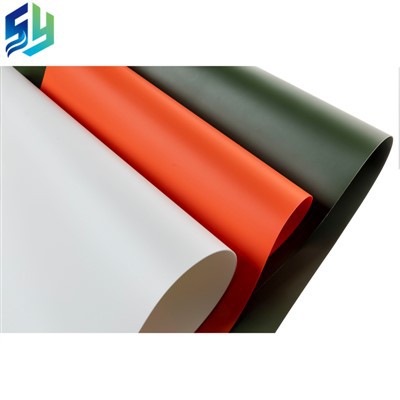


Introducing our Tent Fabric collection, crafted with the finest materials and innovative techniques for durability and water resistance. This range offers a wide selection of colors and patterns to suit all preferences. Whether you’re an avid camper, festival-goer or outdoor enthusiast, our Tent Fabrics provide optimum shelter and protection from the elements, allowing you to embrace nature without comprising on comfort.
Why Choose Us
Competitive prices
We offer our products at competitive prices, making them affordable for our customers. We believe that high-quality products should not come at a premium, and we strive to make our products accessible to all.
Rich experience
Has a long-standing reputation in the industry, which makes it stand out from its competitors. With over many years of experience, they have developed the skills necessary to meet their clients' needs.
Professional service
We can accept factory inspection and goods inspection at any time. Technical discussion, research and development of new products, and complete after-sales service.
High quality products
We always put customer needs and expectations in the first place, refine on, continuous improvement, to seek every opportunity to do better, to provide customers with their expectations of quality products, to provide customers with the most satisfactory service at anytime.
Quality control
All goods will undergo strict quality inspection before shipment. MCC always insists on providing high-quality products. We firmly believe that quality is the basis of everything.
Professional team
We have a team of skilled and experienced professionals who are well-versed in the latest technology and industry standards. Our team is dedicated to ensuring that our customers get the best service and support possible.
Four Ways to Make Your Tent Fabric Material Last Longer


Tent fabrics are also treated with special coatings to make them water resistant, stain and mildew resistant, ultraviolet (UV) ray resistant, and fire retardant. In order to keep the coatings in tact, and the material clean and durable, you will have to care for your tent by doing more than just brushing off dirt from time to time. In fact, there are four things you can do to help make your tent fabric material last longer:
Inspect Your Tent Regularly
Don' t just use your tent and throw it back into storage. First, check it for tears, rips, stains, or damages that might destroy the integrity of the tent' s fabric. It' s best to look at your tent from both the inside and the outside. Look for holes or seams that are broken or coming undone, and work to repair them immediately. This will help you keep your tent in shape and in use for a longer period of time.
Clean Your Tent
Wash it with water, a soft sponge, and a non-detergent soap. Remember, you can also ask your tent fabric supplier or manufacturer about cleaning products safe for the material. They can recommend the right spray for your fabric.
Stay Up-to-Date with the Latest Tent Fabric Innovations
Remember, there are resources for you to utilize when it comes to understanding tent fabrics. You can go to InTentsMag.com for the latest news and updates on the tent fabric industry. There is plenty of information on new and innovative fabrics, higher quality tents, and more.
Store your Tent Properly
Once you are done using your ten, remember to store it correctly. This is just as important as cleaning it properly. When you store your tent, you want to make sure that the area is completely dry. Also, if you store your tent in a bag or covering, you want to ensure the covering is moisture-free. Damp storage spaces can catalyze mold or mildew growth in the fabric. Make sure there is no debris, dirt, or objects that can tear, rip, or damage your tent in the storage are. You would be surprised how frequently tent structures get damaged in storage.
PVC tent fabric is a durable coated vinyl that is resistant to rips and tears. These fabrics are also waterproof and UV-resistant. They come in a wide range of colors, are very easy to clean, and have excellent tensile strength. The fabric also has excellent flexibility and is easy to dry.
The denier of tent fabric is a key factor to consider. The denier is a measurement of density that is based on the weight and length of a yarn. A single strand of silk weighs about one denier, while a single strand of nylon is about four times as thick. The higher the denier count, the more durable the fabric is.
A wide variety of waterproof, UV-resistant, and tear-resistant fabrics are available. Khosla Profil has an extensive range of woven and non-woven outdoor fabrics suitable for many end uses. They are woven using the latest shuttleless looms and the highest-quality yarns from India.
Choose a Tent Fabric Manufacturers that is water-resistant. Most backpacking tent fabrics are made from silicone or PU. A coating of Polyurethane will prevent water from soaking through and damaging the fabric. The coating will also make the fabric stronger and softer. A coating of silicone can also provide protection against UV rays.


Application Of PVC Tent Fabric
PVC tent fabric is used in a variety of applications due to its durability, waterproofing, and resistance to UV rays and other environmental factors. Some common uses of PVC tent fabric include:
Tents
PVC tent fabric is often used to make camping tents, event tents, and emergency shelters. It provides protection from the elements while being lightweight and easy to transport.
Tarps
PVC tent fabric is also used to make tarps for covering and protecting outdoor equipment, machinery, and vehicles.
Canopies
PVC tent fabric is used to make canopies for outdoor events, providing shade and protection from the sun and rain.
Awnings
PVC tent fabric is used to make awnings for homes, businesses, and recreational vehicles. It provides shade and protection from the elements while being durable and easy to clean.
Pool Covers
PVC tent fabric is used to make covers for swimming pools, hot tubs, and other water features. It provides protection from debris and keeps the water clean and clear.
Agricultural covers
PVC tent fabric is used to make covers for greenhouses, livestock shelters, and other agricultural structures.
Industrial covers
PVC tent fabric is used to make covers for construction sites, storage areas, and other industrial applications.
What Are 4 Types of Tent Fabrics
Nylon Tent Fabric
Nylon is by a wide margin the most well-known material utilized in tents. It was initially evolved by DuPont during the 1930s and was utilized broadly for parachute creation during WWII. It is the norm for most open-air items, from tents to attire. This is generally because of its great solidarity toweight proportion, great scraped spot opposition, and moderately low cost.
It is a lightweight texture famous for hiking tents. While nylon can be vulnerable to tears from wind and garbage, hiking tents are little to the point of keeping up with strength. Nylon offers sufficient stretch to take into account pressure appropriation on the little tent board, making it doubtful to tear. Generally, nylon is a decent material for little tents however is anything but a solid decision for bigger business tents.
Polyester(PVC) Tent Fabric
Tents made totally from polyester are a well-known choice. Numerous producers lean toward the strength of this material for new tent deliveries, as polyester is somewhat tougher than nylon and is accessible in an assortment of coatings. However, you should do some exploration prior to picking a particular polyester tent. The covering utilized on a polyester tent might influence the cost of the tent. In a perfect world, you want a polyester tent with a covering that gives sufficient ventilation yet doesn' t let dampness through.
While looking at the attributes of a polyester tent with the qualities of a polycotton tent, you will see they are basically the same. Nonetheless, a polyester tent has the additional advantage that it won' t shrivel or get heavier while coming into direct contact with water. A polyester tent is less impacted by daylight, as well, making it ideal for setting up camp in the sweltering sun.
Cotton Canvas Tent Fabric
Present available since ever, cotton material is a texture that has been utilized for making tents since ever. This texture is enormously preferred for its thermo-protection properties. All in all, cotton material is incredible in keeping you cool when the weather conditions are blistering, and warm when the weather conditions is cold. Cotton is a characteristic material that is breathable while being a superior protector. This texture likewise has incredible sound protecting properties, notwithstanding, it has loads of drawbacks also. Regardless of how normal and breathable it is, cotton material tents require more upkeep. This material assimilates a great deal of water and spilling is a very normal thing. Along these lines, the strings in the material can expand somewhat which can also cause a few holes in the middle of the material. Sadly, over the long run, these holes will permit water to leak through them. To wrap things up, cotton tents are very weighty which goes with them not the ideal decision for an open-air exercise tent.
Non-PVC Tent Fabric
Occasions Industry takes many structures like celebrations, limited-time exercises shows, and accommodation. Tent texture is an exceptional material series, polyester woven texture with acrylic covering to cause it to have great water opposition. Woven base texture with very amazing pliable and tear strength. Joined with UV safe, dissolvable, and plastic or color sublimation inks.
When looking for a tent for your next event, you may have a few choices in terms of fabric. These include cotton canvas, polyethylene (PE), PVC, and woven nylon fabrics. Each material has its own pros and cons, so it's important to understand the difference between each type of tent fabric before you make your decision.
Untreated Cotton is a popular choice for some people because it offers a rustic charm that can't be beaten, but this material also isn't very weather resistant, so you need to take extra precautions when using it. If you're looking for a heavy-duty option, consider coated cotton, which offers protection against the elements while maintaining its natural feel.
Coated Cotton is a more traditional tent fabric that's often found in older tents, but it's less common than other options. It is made from heavier cotton fiber and it's usually coated with a protective layer during or after the creation process.
This coating provides insulation against the outside noise and it can reduce the amount of moisture that is in the air, which helps keep your tent dry. It's also less likely to collect dirt than other options, and it is easier to clean.
Another popular option is a polyethylene (PE) tarp, which is used to cover party tents and other large events. The lightweight PE tarp is easy to transport, and it offers good insulation against rain.
The downside to this option is that it can collect dust, making it difficult to clean. It also can get mildewy quickly if it's not properly cared for.
Regardless of the type of material you choose, it's important to follow your manufacturer's care instructions and use a drop cloth when setting up your tent. This will prevent pinholes from forming and it will help you spot any rips or snags before they become serious issues.
In addition, check the seams on your tent periodically to ensure there are no tears in the fabric. This will save you time and money in the long run by avoiding costly repairs or replacements.
Vinyl is one of the most commonly used materials in tents, but how it is applied plays a huge role in determining the quality of that tent top. There are two main methods that manufacturers use to apply the vinyl: either they coat it on the fabric, or they laminate it.
Both processes are great, but the coated fabric is significantly better for larger party tents. Laminated fabrics are more expensive, but they're also a lot tougher and withstand physical damage much better.
The vinyl is also less likely to rust and corrode over time, making them ideal for longer-lasting party tents.
Taking Care Of Your Tent Fabric
It's easier than you'd think to take care of your tent fabric, especially if you know what materials tents are made. Spend a little time when putting the tent up andtaking it down to look after it, and it will last for years to come.
Check For Any Tears In The Fabric
When you put the canvas tents up, look for any tears in the fabric. With some types of fabric, this can be easily mended with a liquid vinyl solution that you canbuy from your supplier. If you inspect it regularly, you'll catch those tears before they get bigger, and require you to replace the fabric entirely.
Repair The Damage Before Storing
When you take the tent down, again, look for any tears in the fabric and repair them as needed. If you don't have a tent that's been specifically designed forwinter camping, make sure to store it in a place where it won't get wet. Waterproofing ycur tent will help extend its lifespan. Be sure to clean your tent beforeputting it away for the season. Clean And Brush With Soapy Water
You'll also need to clean it before you can store it away. This is very simple to do. Spread the fabric out, and use a brush and soapy water to gently wash the fabricdown. It's important to do this every time, as debris can fall onto the fabric while it's in use and stain it. This is especially true of leaves falling from trees.
Rinse With A Hose
Once it has been washed, hang the fabric over a washing line and rinse it off with a hose. Let it dry thoroughly, and then roll it up to be stored somewhere caoland dry. This keeps it in the best possible condition.
HUAFLEX Industrial is an advanced manufacturer of Coated Technical Fabrics, located in Hangzhou City in China. HUAFLEX is a subsidiary of Huaide New Material, a Chinese public listed company established 15 years and one of the biggest producer of Polypropylene yarn. HUAFLEX stands on a production capacity of more than 3,600,000 sqm per month. The factory provides the entire range of PVC, PE, Silicone and Acrylic lacquering through one continuous line yielding with final coated range from 1.5 to 3.2 width fabric and product total weight from 150 g/sqm to 1500 g/sqm.
_03.jpg "productcate-1-1")
_05.jpg "productcate-1-1")


Certifications


